
Japanese Import Car Insurance: What UK Buyers Should Ask
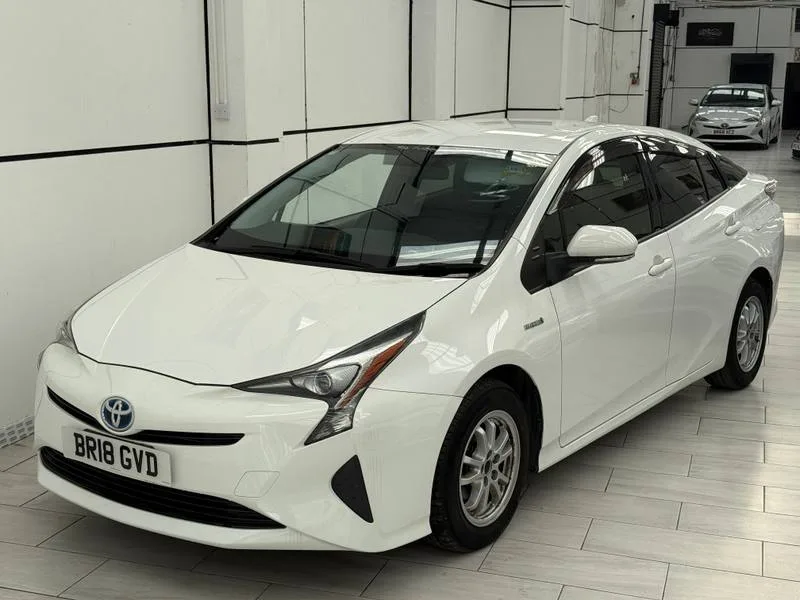
What to prepare for an import insurance quote, how to describe the exact car and which cover questions to resolve before buying.
Arrange insurance for the exact Japanese import you intend to buy before you commit to collecting it. An online quotation for a similar UK model may not describe the same vehicle, and an import missing from a comparison-site list is not proof that cover is unavailable.
This is a preparation checklist, not a recommendation of a particular policy. The insurer or broker must confirm whether the vehicle and your intended use can be covered, on what terms and at what cost.
Why the precise vehicle description matters
Japanese model names, grades and chassis identifiers can differ from UK listings. Ask the seller for the registration number, chassis identifier, manufacturing year, first registration, engine, transmission, fuel type and seat count. Check that the quotation records the imported status correctly.
If a comparison form offers only a vaguely similar car, contact the provider rather than selecting it to get a price. Ask for written confirmation of the accepted vehicle description. Correcting the model after paying can change the offer or reveal that the proposed cover is unsuitable.
Can an unregistered import be insured?
Some providers offer cover using a chassis number while registration is being completed. For example, specialist broker Adrian Flux lists chassis-number and temporary insurance among its import options. Availability for your vehicle is subject to the provider’s acceptance and terms.
Ask when cover starts, what it permits, how long it lasts and how to replace the chassis reference with the UK registration. Do not treat insurance as permission to use an otherwise unregistered or unapproved car on the road. The official import guidance sets out the separate steps involved.
Prepare a quote pack before calling
Keep these details together:
- Exact make, model, variant and vehicle identifiers.
- Import status, age, powertrain and registered seats.
- Your expected mileage, overnight parking and intended drivers.
- Commuting, business or other intended use.
- Known modifications and changes to security or multimedia equipment.
- Any requested supporting photographs or documents.
Answer the provider’s questions accurately. If you do not know whether a security device or modification is fitted, ask the seller to confirm rather than guessing.
Is a Japanese import more expensive to insure?
There is no reliable blanket answer for an individual driver. Compare accepted quotations for the exact car and your circumstances. A headline premium from another owner does not establish what you will pay or whether the cover is equivalent.
When comparing offers, look beyond the monthly payment. Check the annual total, any payment charges, compulsory and voluntary excesses, cancellation terms and the cover provided. A lower price may come with a higher excess or a different claims basis.
Questions about repairs and vehicle value
Ask how the policy handles model-specific parts, overseas sourcing, approved repairers and repair delays. Check any courtesy-car entitlement rather than assuming a replacement car is always supplied while parts are ordered.
If an agreed-value option is offered, establish the evidence required and how that differs from a market-value policy. Keep purchase documents and photographs, but let the insurer explain how a claim would be assessed. Do not assume the amount paid for the car is automatically the settlement amount.
Private hire, delivery work and other uses
Tell the provider how the car will actually be used. Ordinary personal cover should not be assumed to include carrying passengers for hire or reward, delivery work or another commercial activity. Obtain confirmation for your intended use and check licensing requirements separately.
The same principle applies if several family members will drive: accurately describe the main driver and other drivers. Trying to fit a cheaper quotation to a different real-world arrangement creates an avoidable problem.
Before you collect the car
Check the policy schedule, vehicle identifiers, start date, permitted use, drivers and any security conditions. Confirm that the final car supplied matches the one accepted for cover. Resolve mistakes before the journey home.
HDG Cars can provide the available vehicle details needed for a quotation. Contact the team about a particular listing, and use our buying checklist to coordinate insurance with the rest of your purchase.
- Japanese imports
- Insurance
- Ownership