
Are Japanese Import Cars Good? A UK Buyer’s Checklist
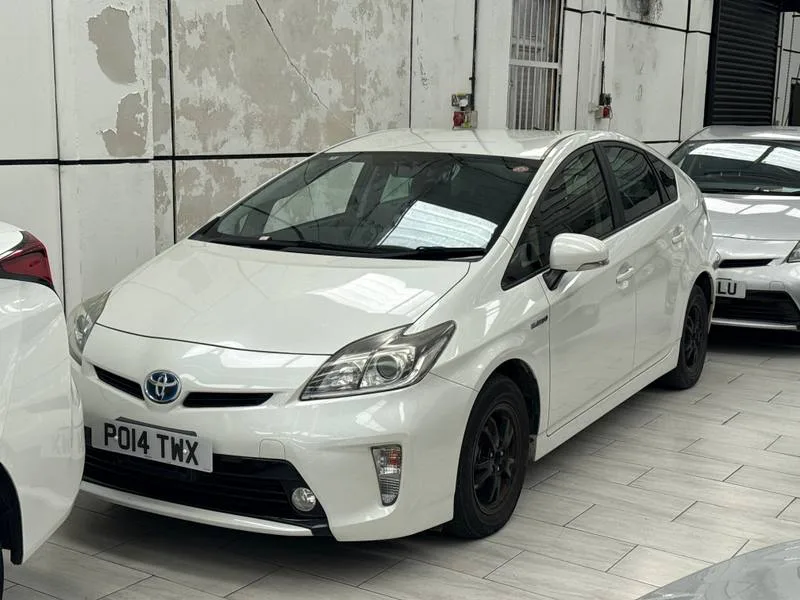
A practical checklist for comparing Japanese imports: documents, mileage, condition, equipment, insurance and the questions to ask before buying.
A Japanese import can be a good used-car purchase when the specification suits your needs and the individual vehicle has convincing history and condition. The import label alone does not prove reliability, low mileage or value. Your decision should come from the evidence supplied with that particular car.
This checklist is for someone buying a car already offered by a UK dealer. If you plan to source a vehicle overseas yourself, start with our import-cost checklist.
1. Identify the exact car before comparing prices
Write down the model, manufacturing year, first-registration date, engine, hybrid system, transmission and seating arrangement. Japanese trim names may differ from familiar UK versions. A similar badge does not guarantee matching safety equipment, gearbox or multimedia functions.
Ask the seller to show the chassis identifier and explain how it matches the documents. Make sure the advertised year is clear: a car’s arrival or UK-registration year is not necessarily its manufacturing year. That distinction matters when comparing two apparently similar vehicles.
2. Request a joined-up history pack
The useful question is not simply whether an auction sheet exists. Ask whether it belongs to this car and whether the dates and readings fit the rest of the history.
Useful evidence can include:
- The original auction report and a translation of the inspector’s comments.
- Japanese export or deregistration paperwork.
- Available inspection and servicing records.
- UK registration details and MOT history, where applicable.
- A written explanation of any mileage conversion or replacement instrument cluster.
Our mileage-verification page explains the records HDG Cars cross-checks. Missing paperwork should lead to a clear explanation, not an assumption that everything must be fine.
3. Separate mileage evidence from condition
Low mileage is attractive, but it is not a substitute for maintenance. Look at the relationship between age, recorded use, servicing and physical wear. Inspect the steering wheel, seats, pedals and luggage area, while recognising that individual parts may have been replaced.
A clean UK MOT does not reconstruct the car’s entire life in Japan. Use the official MOT-history service for the UK test record, then assess the earlier overseas evidence separately. Ask about gaps rather than joining them with guesses.
4. Inspect the car in the way you will use it
Bring your normal passengers, child seats or pushchair where practical. Try every seating position you expect to use. Open the boot with the rear seats occupied, and check whether your usual luggage actually fits.
On a test drive, assess visibility, parking, braking and low-speed manoeuvres. Ask for a demonstration from a cold start where possible. Investigate warning lights, unusual noises, uneven tyre wear or inconsistent operation before agreeing to buy. An independent inspection can be useful if you want a separate assessment.
5. Test the equipment rather than relying on a trim name
Make a simple equipment checklist. Confirm air conditioning, cameras, parking sensors, electric doors, heated seats and driver-assistance functions individually. Some features may have been optional, removed or changed during conversion.
Pair your phone and check the functions you need. An English menu does not automatically mean UK navigation, DAB radio or smartphone integration works. Get agreed upgrades and included accessories recorded in writing.
6. Confirm ownership costs before paying a deposit
Obtain an insurance quotation for the exact imported vehicle. Ask about servicing, model-specific parts and the price of likely wear items. Check any proposed warranty’s provider, exclusions, claim limits and servicing conditions; a headline term is only part of the agreement.
If you use charging or clean-air zones, check the vehicle through the relevant official service. Do not infer eligibility from age, fuel type or a similar UK model. For private-hire work, confirm the exact vehicle with the licensing authority and operator before purchase.
7. Put the handover agreement in writing
Record the car’s identity, price, deposit terms, preparation work and expected handover arrangements. Separate work already completed from promises to complete it. Confirm which keys, documents, cables or accessories are included.
The five questions worth asking every seller
- Can you show how the chassis number matches the history?
- What supports the stated mileage and units?
- What repairs, modifications or conversion work are known?
- Which equipment has been physically checked?
- What will be supplied at handover?
A good import is a suitable, well-evidenced car at a sensible overall cost. You can browse HDG Cars stock or book a visit in Rowley Regis to compare the vehicles and their documents together.
- Japanese imports
- Buying guides
- Used cars