
Honda Fit Hybrid UK Buying Guide: Why the Gearbox Matters
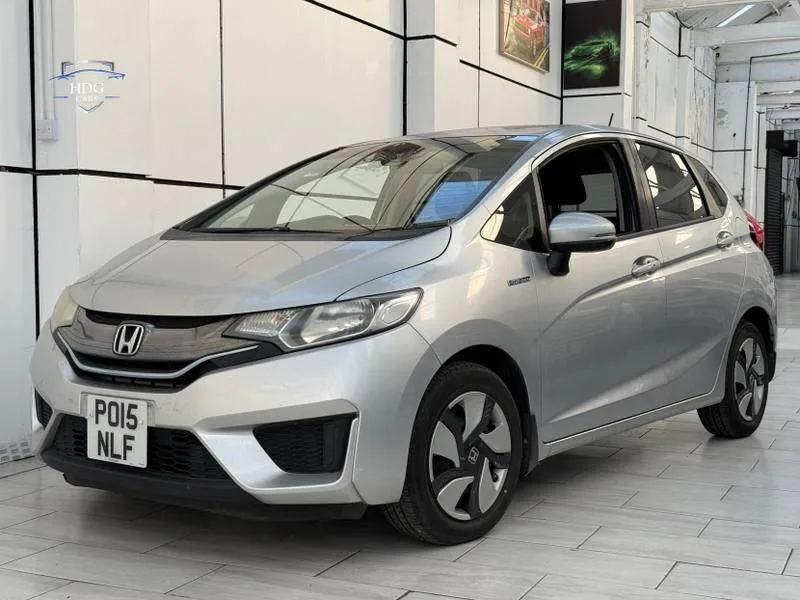
Understand the 2013-generation Fit Hybrid’s i-DCD drivetrain, distinguish it from other Fit versions and use a practical UK viewing checklist.
A Honda Fit Hybrid can be an appealing compact import, but it is important to identify its hybrid system before comparing it with another Fit or a UK-market Jazz. The model name spans different generations and powertrains, so “automatic hybrid” is not a complete specification.
This guide focuses on the Japanese Fit Hybrid generation introduced in 2013, including the era of many 2014–2015 examples. It does not describe every older Fit Hybrid or later e:HEV model.
What transmission does this Fit Hybrid use?
Honda’s September 2013 launch release identifies a 1.5-litre engine and Sport Hybrid i-DCD system with a seven-speed dual-clutch transmission. The petrol versions listed in the same release include different transmission choices.
That distinction matters when reading adverts and arranging maintenance. Do not describe every Fit Hybrid as a conventional CVT simply because it has two pedals. Ask for the chassis details and confirmation of the precise drivetrain on the car you are considering.
Fit and Jazz: use the name as a starting point
The Fit name is associated with Honda’s compact hatchback in Japan, while UK buyers are familiar with the Jazz. Similar appearance does not establish identical engine, gearbox, safety equipment or parts specification across markets.
When asking a workshop about servicing, provide the actual model and chassis identifier. A quote based only on a UK Jazz registration may not cover the correct vehicle. The same care helps when ordering transmission-related consumables or electronic components.
Plan a useful test drive
Start with normal low-speed manoeuvres and assess the car when pulling away, reversing and moving in traffic. Ask for an explanation of the transmission’s normal behaviour rather than expecting every hybrid to feel identical.
Persistent warning lights, pronounced judder, unexpected hesitation or unusual noises need competent diagnosis. A short drive cannot establish the condition of every component, and the absence of a warning lamp is not a guarantee against future work. Consider an independent inspection if you need a separate assessment.
Ask about maintenance and outstanding campaigns
Request the available servicing records, invoices and evidence of work on the correct car. Ask a Honda representative or an appropriately equipped specialist how to check outstanding recalls or campaigns for the imported chassis identifier.
Do not rely on a generic model-year statement that every car is affected or that all required work must already have been done. The useful answer is vehicle-specific evidence. If a campaign was completed overseas, ask whether supporting documentation is available.
Check the cabin as carefully as the powertrain
The Fit’s compact footprint is attractive, but your household still needs a seating and luggage test. Adjust the driver’s seat normally, sit behind it and try the luggage area with the rear seats in the position you will use.
Operate the fitted seat-folding mechanisms according to the handbook. Check air conditioning, windows, mirrors, cameras and phone pairing. Safety and convenience equipment varies by grade and options; confirm the installed features rather than importing a specification list from another car.
What should you expect from fuel consumption?
Official Japanese test-cycle figures are not a promise of UK driving economy. Journey length, traffic, temperature and maintenance affect results. A used example’s condition matters alongside the design of the hybrid system.
Compare the car on your usual routes where possible and think in terms of overall ownership cost. Ask about tyres, servicing, parts support and insurance for the exact imported model. Our battery-health guide explains useful questions about hybrid diagnostics.
A focused Fit Hybrid viewing checklist
- Confirm generation, chassis identifier and transmission type.
- Review Japanese records and the mileage timeline.
- Check maintenance evidence and outstanding campaigns.
- Test low-speed operation and investigate abnormal behaviour.
- Demonstrate important equipment and seat arrangements.
- Obtain a model-specific insurance quotation and servicing plan.
A suitable Fit Hybrid should make sense as a documented individual car, not just as an inexpensive automatic. Browse HDG stock or book a viewing in Rowley Regis, and ask to see the history alongside the vehicle.
- Honda Fit Hybrid
- Japanese imports
- Buying guides